Why the African Diaspora Should Visit Ghana in 2027: A Journey Home During Ghana@70
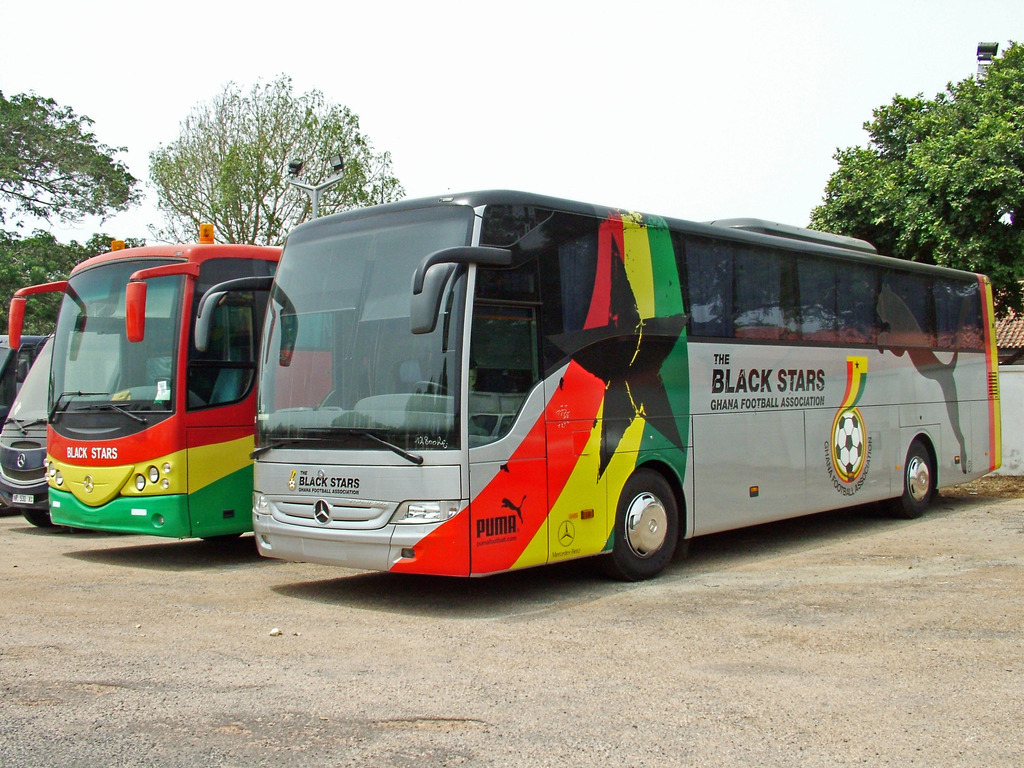
Ghana Without Filters · Ghana@70 · A journey home
For many people in the African diaspora, visiting Ghana is more than ticking off another destination. It is a journey into history, identity, culture and connection.
It is a chance to walk the coastline where countless stories began, to meet people whose warmth is legendary, and to experience a country that has become a symbol of Pan-Africanism and welcome.
In 2027, Ghana marks 70 years of independence. The anniversary itself falls on 6 March 2027, seventy years to the day after the Gold Coast became Ghana at midnight on 6 March 1957. Celebrations, cultural events, exhibitions, festivals and community gatherings are expected throughout the year. That makes 2027 an especially meaningful time to come, provided you come with open eyes. This blog is called Ghana Without Filters for a reason, so you will find the practical truths further down too.
For the full Ghana@70 story, the people who made independence happen and the year's updates, see MyGhana2027.com.
Search our Network. Start here.
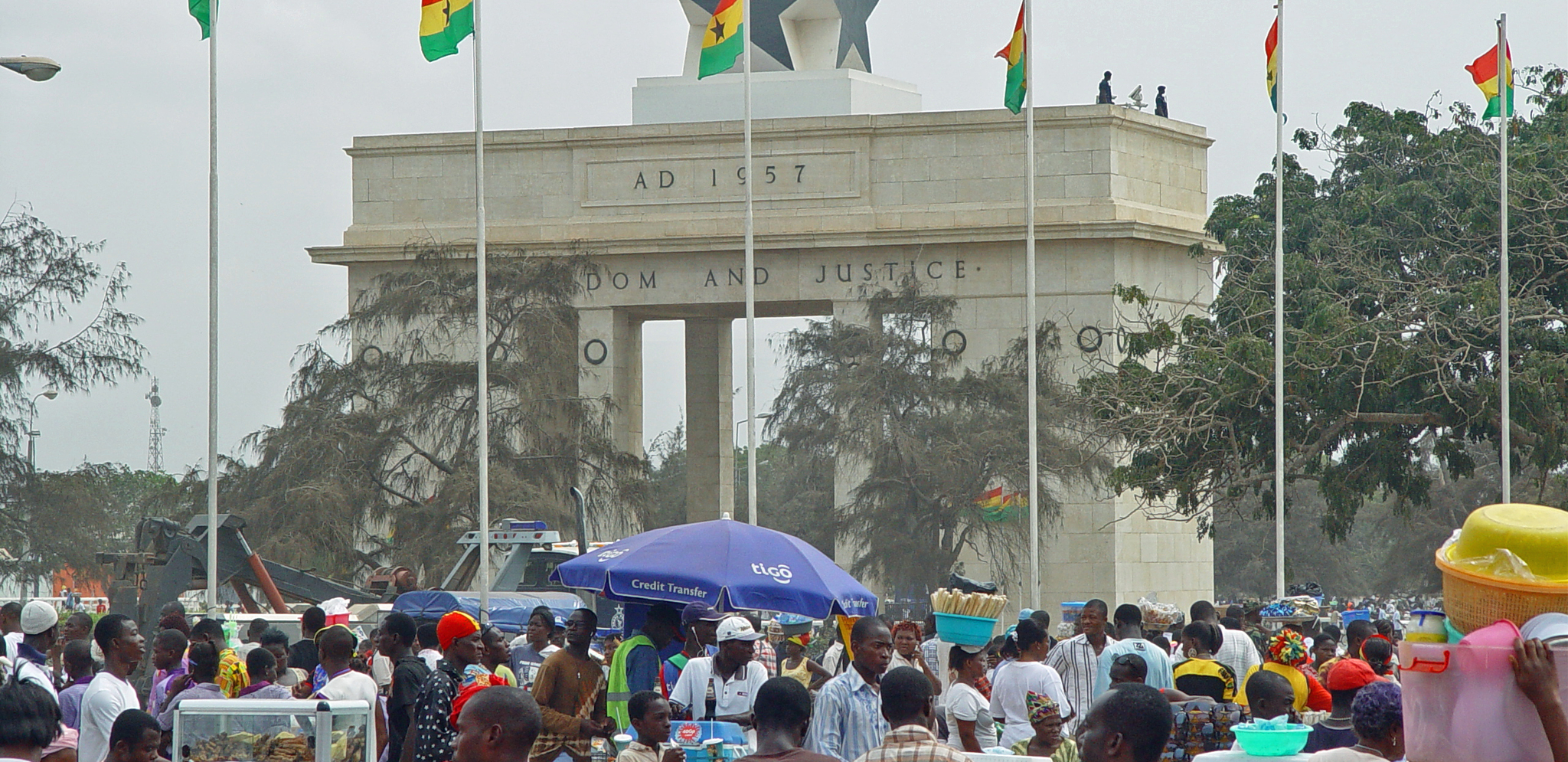
Past Independence Day celebrations in Accra. In 2027 Ghana marks 70 years of independence, a milestone and the biggest celebration since Independence Day 1957. © Remo Kurka, Accra
More than a vacation
A trip to Ghana is not just about beaches, wildlife or sightseeing, although you will find plenty of all three. It is about standing in places that have shaped history.
Walking through the gates of Cape Coast Castle or Elmina Castle can be an emotional experience, especially for descendants of those taken in the transatlantic slave trade. The dungeons are dark, the "Door of No Return" is real, and no photograph prepares you for the silence inside. At Assin Manso, where many enslaved Africans took their last bath before the march to the coast, you can stand by the river in quiet reflection on the strength of the generations who survived.
These places remind us where history has been, and how far it has come. If you want to understand who was taken, from where and by whom, before you go, read Who Sold Whom? Ghana's Slave History Without the Marketing. It will make your visit deeper, not smaller.
A country that welcomes you
One reason Ghana has become one of Africa's most popular destinations for diaspora travellers is its hospitality. Visitors often name the friendliness of Ghanaians as a highlight of their trip. Conversations start easily, invitations are genuine, and strangers often become friends.
Whether you are exploring the busy streets of Accra, visiting a village in the Volta Region or relaxing on the coast, you will find a culture in which guests are treated with kindness and respect. Many travellers arrive as visitors and leave feeling they have found a second home.
Celebrating 70 years of independence
Ghana's independence in 1957 changed the course of African history. Sudan had become independent a year earlier, but Ghana was the first colony in West Africa, and the first in Black Africa under a mass nationalist movement, to break free from European rule. Under Dr Kwame Nkrumah it became a beacon for liberation movements across the continent and the diaspora. W.E.B. Du Bois, George Padmore and many others made Accra their home.
The story of that night is told in 6 March 1957: the night of independence at the Old Polo Ground. You can still visit the site today at the Kwame Nkrumah Memorial Park.
Seventy years on, Ghana@70 is more than an anniversary. It is a celebration of resilience, progress and the enduring spirit of a nation. For visitors it offers patriotic celebrations, cultural performances, exhibitions, music and public events, and a chance to learn about one of Africa's most influential countries.
What is already confirmed for 2027 (as of November 2026)
- 6 March 2027: the 70th Independence Day
- Ghana will host the 70th meeting of the UN Tourism Commission for Africa during its anniversary year
- Ghana will host the 2027 Global Literacy Day celebrations, which the government wants to link to the anniversary
- a private domestic-tourism programme, Do Ghana 7ty, plans five themed road trips through 2027, including an "Independence Alley" journey in March
- three Ghanaian feature films are being made to mark Ghana at 70
A full official programme of national events had not been published yet. We will add it on our festivals by month pages and on MyGhana2027.com as soon as it is.
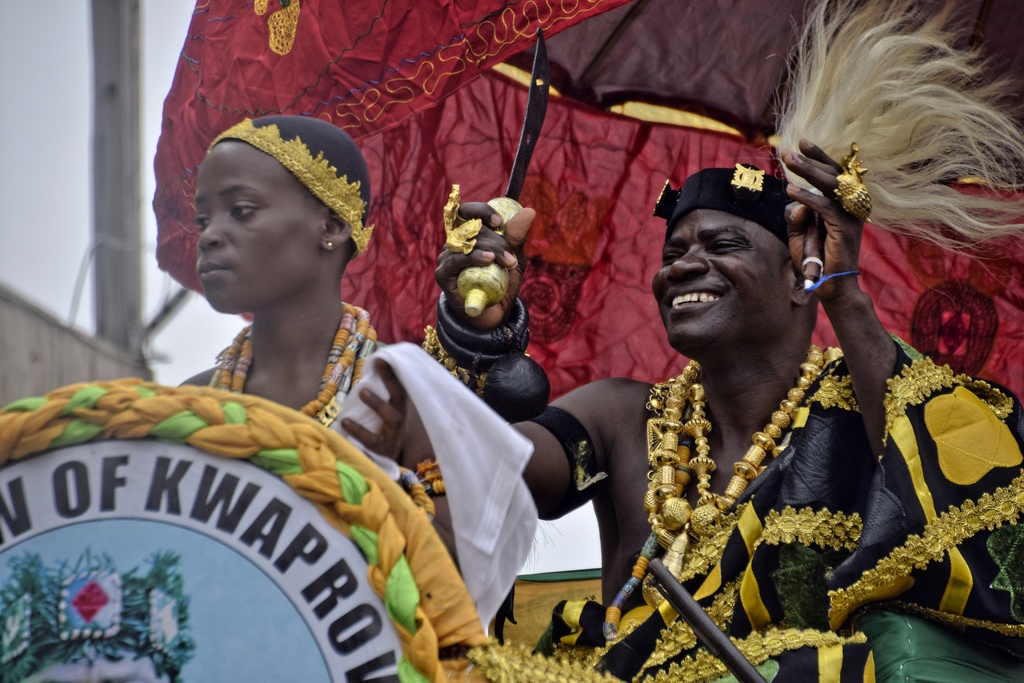
There are so many festivals throughout the year in Ghana. A chief at a festival in Cape Coast. © Remo Kurka
Experience living culture
Ghana's culture is not confined to museums. It is alive in everyday life. You will hear highlife and Afrobeats from cafés and taxis, watch markets come alive before sunrise, taste recipes passed down through generations, and meet festivals that bring whole communities together.
Depending on when you visit, you may experience:
- traditional festivals, from Cape Coast's Fetu Afahye to Homowo in Accra and Hogbetsotso in Anloga
- drumming and dance
- local food markets
- craft villages such as Bonwire for kente and Ntonso for adinkra
- naming ceremonies. Many diaspora visitors receive a Ghanaian name
- contemporary art exhibitions and the Alokoto street art festival
- live music and cultural events
- PANAFEST and Emancipation Day, the diaspora's own festival in Cape Coast
Every region offers something different, which makes it easy to go beyond the usual tourist stops.
Explore beyond Accra
Accra is an exciting gateway, but there is much more to discover. Walk the rainforest canopy at Kakum National Park. Relax by the Volta estuary near Ada. Hike to Wli Falls in the Volta Region. Visit Kumasi and the Asante kingdom, see elephants at Mole National Park, or explore the forts and castles that line the coast.
The north matters too, especially for anyone tracing the slave trade. Many captives were taken from the north and passed through markets like Salaga and camps like Pikworo near Paga long before they reached the castles. Each destination adds another layer to understanding the country.
Connect with history, and the future
Ghana's story is one of remembrance, but also of innovation. Accra has become one of West Africa's most dynamic cities, with a growing creative scene, restaurants, technology start-ups, fashion designers, musicians and artists shaping the future. Visiting Ghana today means experiencing both its rich heritage and its youthful optimism. It is a country proud of where it has come from and excited about where it is going.
Without filters: what the Ghana@70 brochures won't tell you
- Entry has changed. Since 25 May 2026, visitors apply online before they fly. ECOWAS citizens enter visa-free. Other African Union nationals, and Caribbean nationals according to the official portal, get a free ETA. US, UK and European passport holders pay for an e-Visa, around US$260 for a single entry. Apply only through the official portal. Details are on our ETA and e-Visa page.
- Book early. Expect flights and rooms around 6 March 2027, and again in December, to be expensive and scarce. See flights to and from Ghana.
- Check who you book with. Anniversary years bring "heritage tour" sellers who appear and disappear. Use licensed operators and established platforms.
- Venues can change. In 2025, for example, the Independence Day parade was moved from Black Star Square to the forecourt of the Presidency. Wait for the official 2027 programme before you plan your day around one location.
- Ghana is not cheap, and March is hot. Read The Biggest Lies Influencers Tell About Ghana and our guide to too-good-to-be-true trip offers.
- Emotions are real. The castles affect people deeply, and so does "coming home" when home turns out to be complicated. The Emotional Reality of Returning Home is worth reading before you go.
Travel at your own pace
One of the best things about Ghana is how flexible a trip can be. Some visitors focus on historical sites. Others explore nature, attend festivals, relax on the coast or spend time with local communities. Whether you travel independently, join a small group or reconnect with family and friends, Ghana can be shaped around your own interests and your personal journey. If you want structure, our 10-day solo itinerary covers Accra, Cape Coast and the Volta Region.
More than a destination: a homecoming
For many members of the African diaspora, Ghana is deeply personal. It is a place to ask questions, discover history, celebrate culture and build new connections. Every conversation, shared meal and historic site becomes part of a journey of self-discovery as much as travel.
The emotions are different for everyone. Some find joy, some find reflection, and many find both. What unites them is a sense of connection to a place, to a people and to a history that still shapes the present.
Why 2027 is the perfect time
There is never a wrong time to visit Ghana, but 2027 offers something unique. As the country marks 70 years of independence, you will meet a nation reflecting on its past while looking confidently towards its future. From celebrations in Accra to visits to historic sites across the country, Ghana@70 promises a year of pride, remembrance, culture and unity.
Whether you are visiting Africa for the first time or returning once again, Ghana offers something few destinations can: a chance not only to explore a country, but to deepen your understanding of history, heritage and belonging.
In 2027, that journey may be more meaningful than ever.
Arriving for Ghana@70? Airport pickup, private transport and guided tours from Accra, run by local operators. Entrance fees are already included in the tour price. Tips are not included, but they are always welcome.
More from Ghana Without Filters
- Who Sold Whom? Ghana's Slave History Without the Marketing
- The Emotional Reality of Returning Home
- Your Next Trip to Ghana: $53.90 for 13 Days – Seriously?
- A Few Words Go a Long Way: The Languages You Will Hear in Ghana
- The Biggest Lies Influencers Tell About Ghana
- Why You Don't Need Another Ghana Travel Book
- The Ghana Guide That Sends You to Singapore: How to Spot an AI-Written Travel Book
- The Sad Reality of VisitGhana.com
- Ministry of Tourism: Thank You for Bringing Ghana Travel Back Online
- Ghana Government: Ghana's Digital Identity Is Being Hijacked – Where Are the Authorities?
- Ghana Road Deaths: Eleven Billion Cedis Idle
- How to Prepare for Moving to Ghana: A Real Checklist
- The Hidden Costs of Living in Ghana
- The Biggest Mistakes Returnees Make When Moving to Ghana
- Why Many Returnees Fail, and How to Avoid It
- Buying Property in Ghana: What Diaspora Buyers Are Not Told
On Ghana-Net.com and across the network
Sources: Ghana@70 date and films: MyJoyOnline. UN Tourism Commission for Africa 2027: Graphic Online. Global Literacy Day 2027: Ghanaian Times. Do Ghana 7ty road trips: Graphic Showbiz. 2025 parade at the forecourt of the Presidency: Graphic Online. Entry rules from 25 May 2026: Fragomen and VisasNews.
Text and photos © Remo Kurka, Ghana-Net.com · Updated and fact-checked: 5 November 2026