The Biggest Lies Influencers Tell About Ghana
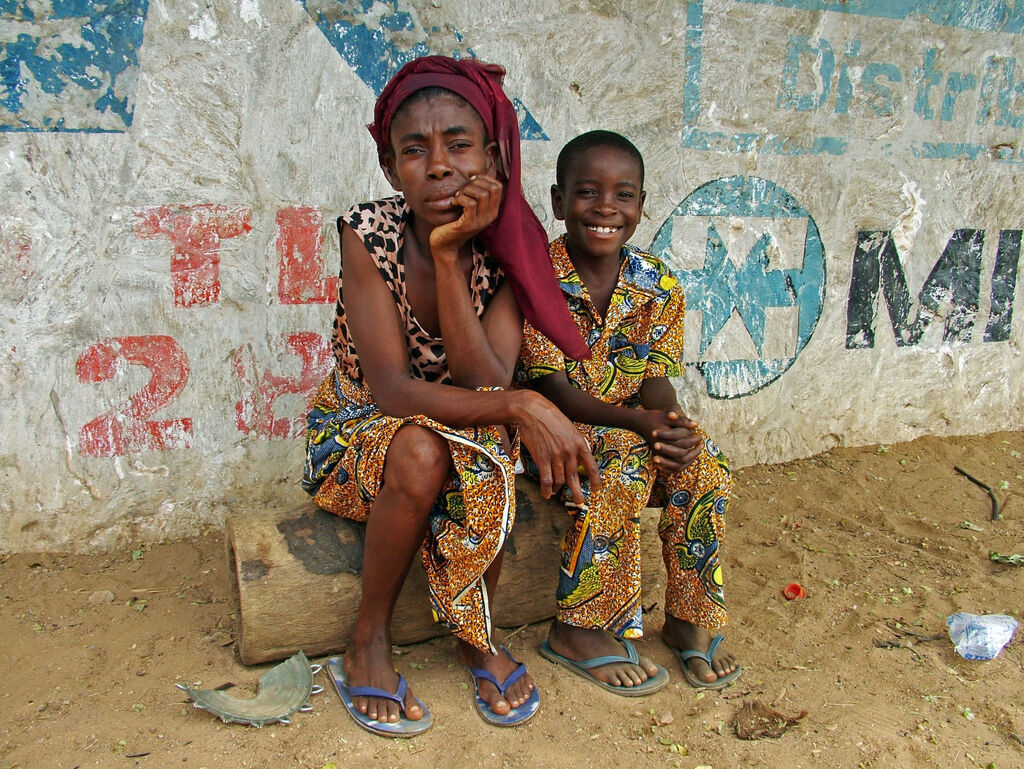
Ghana Without Filters · A brutally honest guide for the diaspora
Ghana is trending. Not because the country suddenly changed, but because influencers discovered it.
On TikTok, YouTube and Instagram, and in the glossy "Return to Africa" documentaries, Ghana is sold as a magical land where everything is cheap, easy, beautiful and overflowing with opportunity. Somebody films a sunset at Labadi, a plate of waakye for one dollar and a drone sweep over a beach resort, puts a soft filter on it, and a few hundred thousand people in London, Houston and Toronto start planning a new life.
Behind the filters, the drone shots, the sponsored trips and the "Africa Rising" speeches, there is a very different reality. It is the reality of people who live here all year, through the rainy season, through dumsor, through the month when the cedi slides again and the price of everything in the supermarket quietly moves up.
I have lived and worked in Ghana on and off for more than twenty-five years, and I have watched this influencer wave build. These are the biggest lies it tells about Ghana, and the truths it does not want you to hear.
Search our Network. Start here.
1. "Ghana is cheap."
This is the biggest lie of all, and the one that does the most damage.
What influencers show
- street food for a dollar
- cheap trotro rides
- colourful local markets
- simple guesthouses
What they don't show
- apartments in East Legon or Cantonments from around US$1,200 a month, often with a year or two of rent demanded up front
- a loaf of supermarket bread at around US$6
- imported cheese at US$20 and more
- 200 g of butter at around US$6
- internet data bundles of US$40 and up for serious use
- electricity at US$5 or more per day once the air conditioning runs
- used cars from US$7,000 upwards, often tired imports with a past
- restaurant bills of US$100 for a family in the places influencers film
The one-dollar plate is real. So is the trotro fare. But nobody who has moved here from Europe or North America lives on one-dollar plates and trotros alone. The moment you want the things you are used to, such as imported food, a reliable car, a quiet air-conditioned bedroom and fast internet, you are paying import prices plus duty plus the margin of whoever brought it in.
The cedi does not help. It lost around 9.5% of its value against the US dollar on the interbank market in the first nine months of 2026, after a strong recovery in 2025. Every slide feeds straight into the price of imported goods.
Ghana is not cheap, especially not for returnees. For many everyday things, Ghana is more expensive than Europe.
For the full picture, read The Hidden Costs of Living in Ghana and our real cost of travelling in Ghana budget guide.
2. "You can live like a king for $500 a month."
No, you cannot. Not in Accra. Not even close.
The influencer who says this is usually staying in a sponsored apartment, eating at places that invite him, and flying home before the first bill arrives. He forgets to mention:
- rent, usually demanded one or two years in advance
- electricity, bought prepaid and gone faster than you think
- water shortages, and the tanker you pay to fill your poly tank
- internet
- transport, whether fuel, a driver or ride-hailing
- medical care, which for a returnee usually means private clinics
- food inflation
- the endless unexpected costs, from the borehole pump to the "small something" at the office
There is a second, uglier side to this lie. Ghana's national daily minimum wage in 2026 is GH₵21.77. At roughly GH₵11.6 to the dollar in early November 2026, that is under US$2 a day, or less than US$50 a month for a six-day working week. For many Ghanaians, US$500 would be ten months' wages. Calling it a budget for "living like a king" is not just wrong. It is an insult to the people who serve the influencer his breakfast.
US$500 a month in Accra, for a returnee paying rent, is survival, not luxury.
3. "Ghana is the new Dubai."
This one is pure fantasy, usually filmed from the rooftop bar of a new tower in Airport City.
Dubai has
- stable electricity
- clean, reliable water
- world-class infrastructure
- efficient systems
- strict, enforced regulations
- predictable processes
Ghana has
- dumsor, the power cuts every Ghanaian knows by name
- water shortages and rationing in many neighbourhoods
- broken roads, and floods in Accra whenever the heavy rains come
- slow bureaucracy
- unpredictable timelines
- informal systems that work through people, not procedures
A few glass towers in Accra do not make a Gulf city. Ghana has its own strengths, among them a democratic tradition, a free press, deep history and a living culture. Pretending it is something it is not does the country no favours.
Ghana is beautiful, but it is not Dubai.
4. "Everyone is friendly and happy."
Ghanaians are warm and welcoming. That part is true, and it is one of the reasons people fall in love with the country. But a smile for a visitor is good manners, not a report on someone's life. What the camera hides:
- life is hard for many people
- salaries are low. The national minimum wage in 2026 is GH₵21.77 a day, less than two US dollars
- youth unemployment and underemployment are high
- inflation eats into whatever people earn
- stress is common, from transport, rent, school fees and family obligations
- many people are simply struggling to get through the month
The woman selling you a coconut on the roadside may have been up since four, travelled two hours on a trotro and be supporting five people on what she clears that day. She will still smile at you. That says something about her, not about how easy her life is.
Smiles do not mean life is easy.
5. "Ghana is safe everywhere."
Ghana is safer than many countries in the region, and most visitors never have a serious problem. But "safe" is not the same as "carefree", and influencers rarely mention:
- petty theft, especially phones and bags
- nightlife risks, including armed robberies, sometimes at gunpoint, after late nights out
- beach scams and aggressive "friends" who attach themselves to newcomers
- online dating scams
- mobile money fraud
- fake agents for visas, jobs, cars and rentals
- fake landowners selling plots they do not own, sometimes to several buyers at once
- corruption, small and large
- slow police response when something does happen
Before you arrive, read our checklist for identifying Ghana-based scams and the most dangerous online scams in Ghana. If you plan to buy land, read Buying Property in Ghana: What Diaspora Buyers Are Not Told first.
Ghana is safe, but not carefree.
6. "Starting a business in Ghana is easy."
Influencers love the line "Just come and start something!", usually followed by a link to their own consultancy. What they don't show:
- permits, and more permits
- taxes, and the question of which ones actually apply to you
- corruption at the points where paperwork meets officials
- delays at every stage
- unreliable suppliers
- staff issues, training and turnover
- electricity problems that stop machines and kill stock in freezers
- water shortages
- import costs, port charges and clearing agents
- competition from people who know the market far better than you
Registering a company is the easy part. Keeping it alive through power cuts, cedi swings and the slow grind of approvals is the hard part. Foreign-owned and diaspora-owned businesses can also face investment requirements under the Ghana Investment Promotion Centre rules, so check the current rules directly with the GIPC rather than trusting a video.
Ghana has real opportunities, but nothing about building a business here is easy.
7. "You can find love easily in Ghana."
Influencers romanticise Ghanaian relationships. Wedding videos in kente, the "I came to visit and found my queen" story. They never talk about:
- dating scams, online and offline
- financial expectations that arrive early and grow
- extended family obligations, which come with the partner
- cultural differences in roles, money and faith
- jealousy
- traditional marriage requirements, from the knocking ceremony to the bride price list
- misunderstandings on both sides about what the relationship actually is
Real, lasting relationships between Ghanaians and foreigners or returnees exist everywhere. They are built slowly, with open eyes, like anywhere else. Read online dating scams in West Africa before you send anyone money.
Love in Ghana can be beautiful, but it is not a fairy tale.
8. "Ghana is perfect for everyone."
No country is perfect for everyone, and Ghana does not pretend to be.
Ghana is amazing for
- patient people
- open-minded people
- culturally respectful people
- people who can adapt
- people who want community
Ghana is not ideal for
- people who expect Western comfort
- people who hate heat and humidity
- people who need fast processes
- people who want cheap living
- people who believe TikTok
If you recognise yourself more in the second list, that does not mean you should not come. It means you should come as a visitor first, for longer than a holiday, before you sell your house. Our real checklist for moving to Ghana is a good place to start.
9. "Ghana is always fun and exciting."
Influencers show
- beaches
- parties
- festivals
- nightlife
- resorts
- drone shots
They don't show
- traffic that turns a ten-kilometre trip into two hours
- noise, from generators, churches, speakers and car horns
- heat
- mosquitoes, and malaria
- bureaucracy
- water shortages
- power cuts
- stress
December in Accra is a party, and it is meant to be. But December is one month. The other eleven are ordinary life: work, bills, school runs, queues at the bank and the ministry, and the rainy season.
Ghana is fun, but it is also real life.
10. "Ghana will solve your problems."
This is the most dangerous lie, because it is the one people bet their lives on.
Ghana will not:
- fix your finances
- fix your relationships
- fix your identity
- fix your loneliness
- fix your past
- fix your mental health
Many returnees arrive carrying something heavy, whether racism abroad, burnout, debt, a divorce or a feeling of never quite belonging. Ghana can give you perspective, roots and community. It cannot carry that weight for you. People who expect it to are the ones who leave again within two years, poorer and more hurt than when they came. We wrote about this in The Emotional Reality of Returning Home and Why Many Returnees Fail, and How to Avoid It.
Ghana is not therapy. Ghana is not salvation. Ghana is not a miracle. Ghana is a country with beauty, chaos, culture, struggle, warmth and soul.
If you come with honesty, Ghana will welcome you. If you come with illusions, Ghana will break them.
Final thoughts: why influencers lie
Most of them are not evil. They are doing what the platforms reward. They lie, or simply leave things out, because:
- they are sponsored, by hotels, airlines, tour firms and sometimes by people selling land
- they want views
- they want engagement
- they want to sell a dream, and often a course, a tour or a "relocation package" with it
- they don't live the real Ghana
- they don't stay long enough
- they never experience the hard parts
The real Ghana does not need a filter. It needs visitors and returnees who come with their eyes open, respect the people who live here, and are prepared for the country as it actually is. That is the Ghana this blog is about.
See the real Ghana with a local guide. If you want to experience Accra and the coast beyond the influencer hotspots, these tours are run by local operators. Entrance fees are already included in the tour price. Tips are not included, but they are always welcome.
More from Ghana Without Filters
- The Biggest Mistakes Returnees Make When Moving to Ghana
- The Hidden Costs of Living in Ghana
- How to Prepare for Moving to Ghana: A Real Checklist
- Buying Property in Ghana: What Diaspora Buyers Are Not Told
- The Emotional Reality of Returning Home
- Why Many Returnees Fail, and How to Avoid It
- Who Sold Whom? Ghana's Slave History Without the Marketing
- A Few Words Go a Long Way: The Languages You Will Hear in Ghana
- Ghana Road Deaths: Eleven Billion Cedis Idle
- Ghana Government: Ghana's Digital Identity Is Being Hijacked – Where Are the Authorities?
- The Sad Reality of VisitGhana.com
- Ministry of Tourism: Thank You for Bringing Ghana Travel Back Online
- The Ghana Guide That Sends You to Singapore: How to Spot an AI-Written Travel Book
- Why You Don't Need Another Ghana Travel Book
- Your Next Trip to Ghana: $53.90 for 13 Days – Seriously?
- Why the African Diaspora Should Visit Ghana in 2027: Ghana at 70
On Ghana-Net.com
Sources: National Daily Minimum Wage 2026 (GH₵21.77, effective 1 January 2026) as announced by the National Tripartite Committee and reported by MyJoyOnline. Cedi depreciation to September 2026 from Bank of Ghana data as reported by MyJoyOnline. Consumer prices are the author's own observations in Accra, 2026.
Text and photos © Remo Kurka, Ghana-Net.com · Updated and fact-checked: 5 November 2026