The Hidden Costs of Living in Ghana
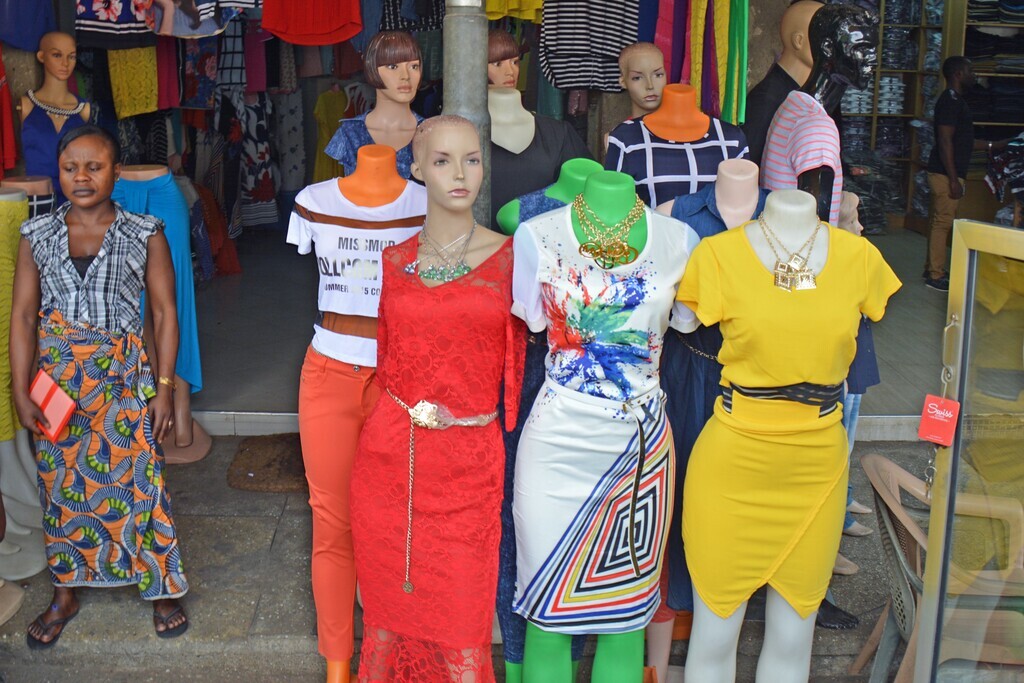
Ghana Without Filters · What influencers never mention, and what returnees only discover too late
Most people who move to Ghana prepare for the obvious costs: rent, food, transport, electricity.
The real shock comes from the hidden costs. Nobody warns you about them. They drain your budget quietly, a few cedis here and a hundred there, and they are what turns "Ghana is cheap" into a painful myth.
These are the costs that break returnees, destroy budgets and send people back to Europe or the US earlier than planned. After more than twenty years of paying them myself, here they are, honestly.
Search our Network. Start here.
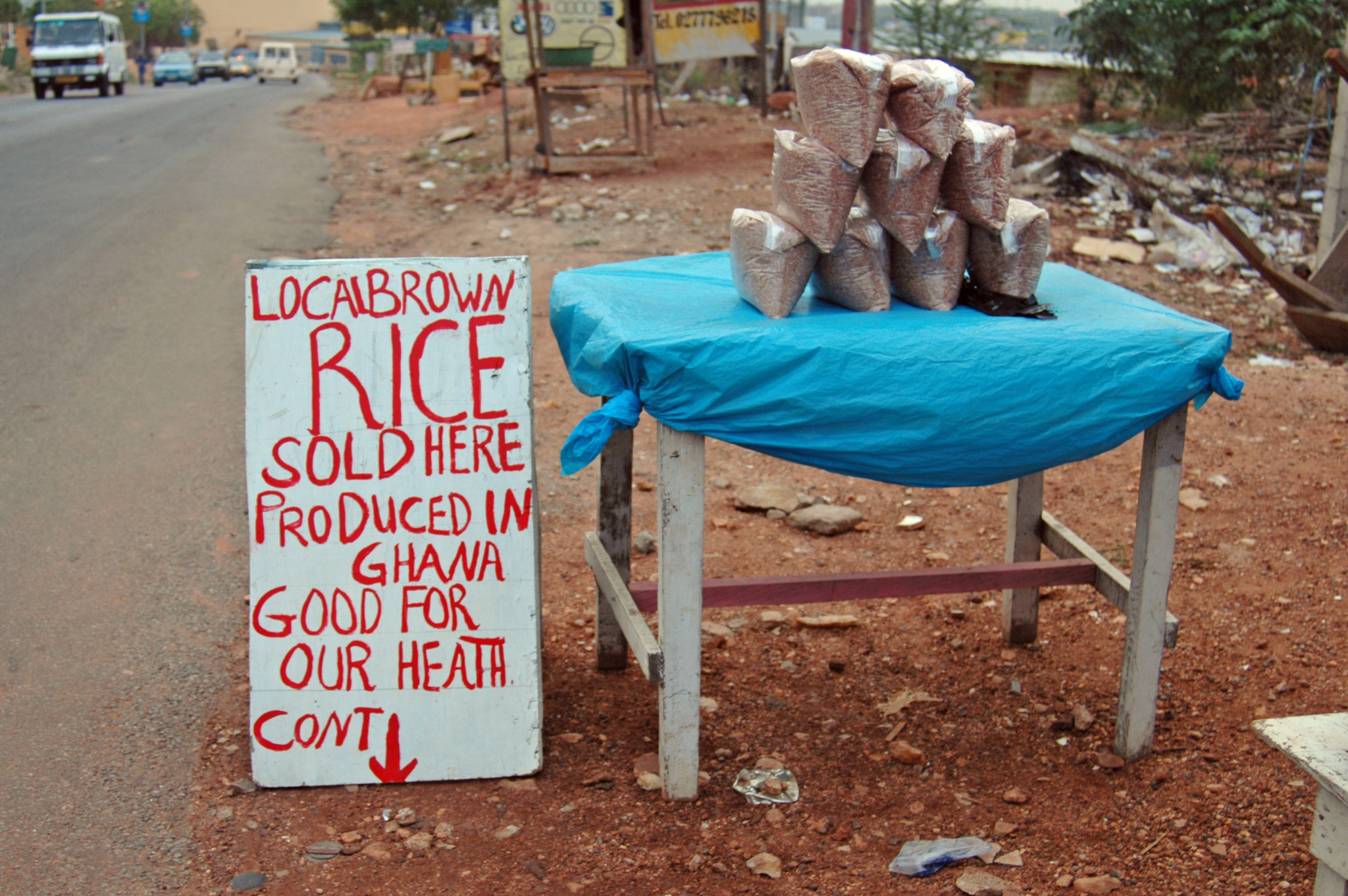
Local Ghana rice. Still, watch out for quality! © Remo Kurka, Accra
1. The "diaspora price": you pay more because you are you
This is real, and it is everywhere. If you are foreign, mixed-race, diaspora, or simply "not local enough", with the wrong accent, the wrong shoes or the wrong phone, you will pay more.
Where you will meet it
- taxis
- food at the chop bar and the market
- rent
- repairs
- services of every kind
- market items
- land
- construction, from cement to the mason's day rate
- even hospital bills
It is not personal. It is how the system works when people see a chance. But it adds up fast. The only real defence is time: learn the local prices, send someone you trust to ask first, and walk away calmly when the number is wrong.
2. Electricity, the silent budget killer
Electricity in Ghana is not cheap, and if you run air conditioning, prepare yourself.
Prices are reviewed by the Public Utilities Regulatory Commission every quarter. From July 2026, households paid about GH₵2.04 per kWh for the first 300 kWh a month and about GH₵2.69 per kWh above that. One ordinary split unit running through the night and part of the day can easily use 10 to 15 kWh a day. That alone pushes most returnee homes into the higher band. In real money, one AC costs around US$3 to US$5 a day, before the fridge, freezer, water pump and lights.
The hidden extras
- prepaid meters that seem to run fast, and sometimes really do
- voltage fluctuations that destroy fridges, TVs and AC compressors
- stabilisers and surge protectors for every important appliance
- fans for when the power goes
- backup lights
- power banks
- a generator or solar system, and the fuel or batteries that go with it
Electricity is one of the biggest financial shocks for returnees.
3. Water: when it doesn't flow, you pay more
Water shortages are common in many parts of Greater Accra and other towns, sometimes for days and sometimes for weeks. Pipe-borne water from Ghana Water is cheap. What you buy when it stops is not.
When the taps run dry, you must
- buy water from tankers
- buy sachet water
- buy bottled water
- pay for storage: a poly tank, a stand, a pump and plenty of containers
- pay delivery fees
- pay for treatment or filters if the tanker water is doubtful
A month of water problems can cost more than your rent.
4. Internet: fast, but expensive and limited
Influencers show fast Wi-Fi. They don't show the bills.
Hidden costs
- bundles that finish quickly
- "200 GB" packages that feel like 60 GB
- buying extra data constantly
- paying for several networks, because one is always down somewhere
- routers, MiFi devices and extra SIM cards
- a UPS or power bank for the router, because no power means no Wi-Fi
If you work online, internet becomes a major monthly expense, and a backup line is not a luxury.
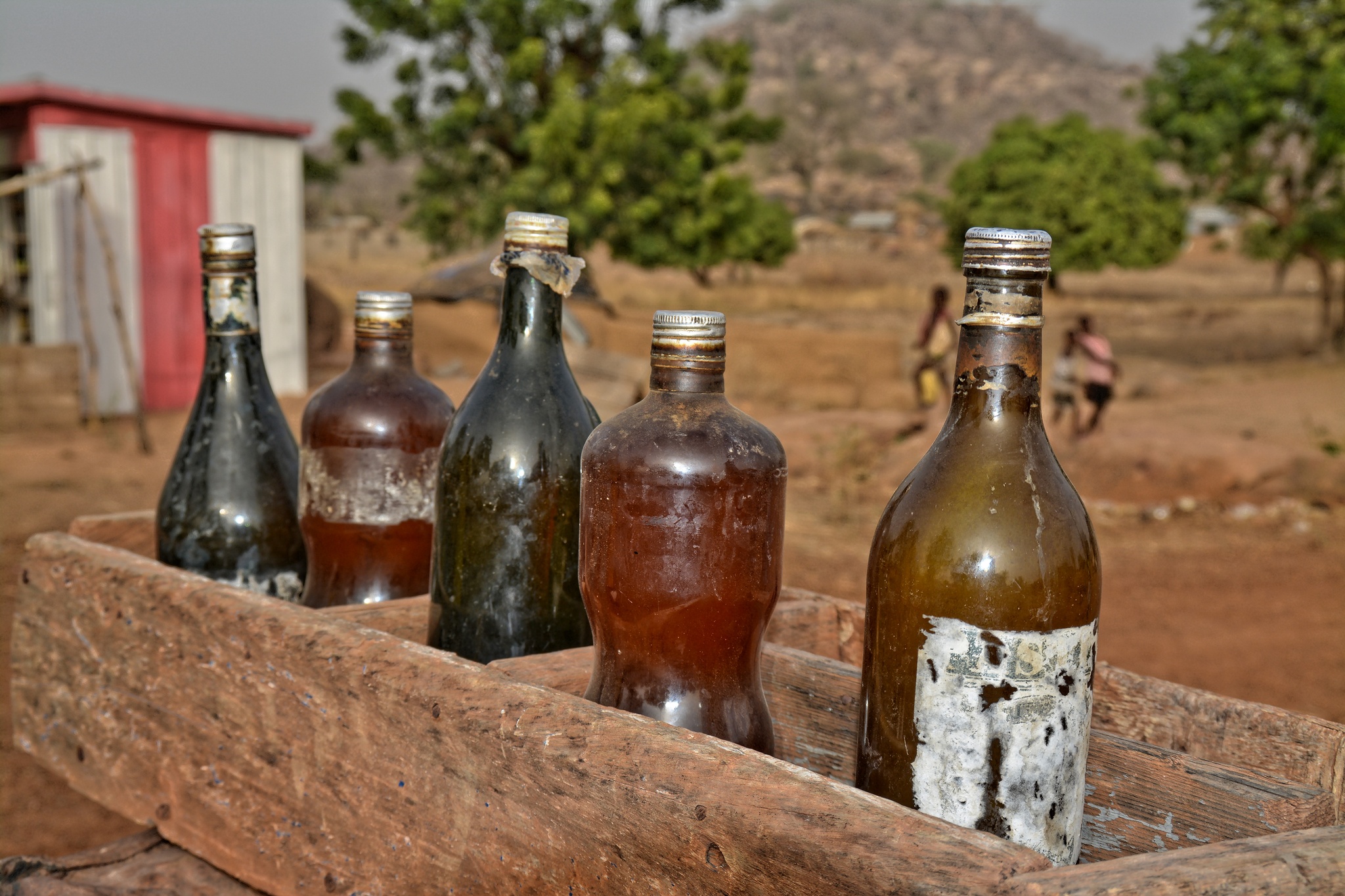
A village "filling station" in the Upper East. Sometimes it is the only way to get fuel. © Remo Kurka, Ghana
5. Transport: more expensive than it looks
Uber and Bolt look cheap, until you use them every day.
Hidden costs
- surge pricing in the rain and at rush hour
- long distances across a sprawling city
- hours lost in traffic
- fuel price increases
- car repairs, if you own a car
- unexpected breakdowns
- paying mechanics several times for the same problem
- original spare parts at import prices, and fake parts that fail again
A simple "cheap ride" lifestyle becomes expensive quickly. If you want to live like most Ghanaians, learn the trotro and tro routes. Our public transport guide explains how they work.
6. Medical costs: even small issues add up
Healthcare in Ghana is not free, and good care is not cheap.
Hidden costs
- private clinic consultation fees
- lab tests, often repeated at the next clinic
- medication
- malaria treatment, more than once a year for many people
- emergency care
- paying cash up front before treatment starts
- paying someone to stay with you, since relatives are expected to look after patients
- transport to and from hospital
For most Ghanaians on the minimum wage of GH₵21.77 a day, a single hospital visit costs more than a week's pay. For you, it means insurance is not optional. See our moving checklist.
7. Food inflation, the price nobody warns you about
Local food is affordable, sometimes. But returnees usually want what they are used to:
- bread, the kind they are used to
- cheese, real cheese
- milk, real milk
- fruit juice, real juice rather than sugar water
- vegetables, yes, even these, out of season
- snacks
- breakfast cereal
- meat, and good luck finding really good quality
- fish, other than farmed tilapia or catfish
These are premium items in Ghana.
Hidden costs
- imported goods at import prices plus duty
- supermarket mark-ups
- inconsistent supply: your brand disappears for two months
- sudden price jumps whenever the cedi slips
- paying extra for food you can trust to be clean and safe
The cedi lost about 9.5% against the dollar in the first nine months of 2026, and imported food reflects every slide. If you learn to cook and enjoy Ghanaian food, your bill falls dramatically. Start with our food and drink pages.
Your grocery bill will shock you.
8. Repairs, replacements and "small small" payments
Ghana is full of small, unexpected expenses:
- fixing fans
- fixing phones
- fixing fridges
- fixing the AC
- fixing cars
- fixing plumbing
- fixing wiring
- tipping workers
- paying "service fees"
- paying "processing fees"
- paying "something small"
Individually small. Collectively huge.
9. Bureaucracy, the cost of waiting
Time is money, and Ghana will take your time.
Hidden costs
- taxis to and from offices, often several times for one document
- waiting hours in queues
- photocopies
- passport photos
- "express service"
- "facilitation"
- paying for mistakes that others made on your papers
- official fees in dollars, such as the Non-Citizen Ghana Card and residence permits for foreign nationals
Bureaucracy is slow, and it is expensive.
10. Emotional costs, the ones you don't see coming
These are the costs that break people:
- loneliness
- frustration
- culture shock
- reverse culture shock
- feeling "in between": too foreign here, too Ghanaian there
- missing home
- missing structure
- missing efficiency
- missing predictability
These emotional costs often lead to impulsive spending, bad decisions, rushed investments and early return flights. Read The Emotional Reality of Returning Home.
Ghana tests your emotions, and your wallet.
Final thoughts: Ghana is not cheap, but it can be worth it
Ghana is not a low-budget paradise. It is not a "cheap Africa experience". It is not a place where US$500 makes you a king. We took that myth apart in The Biggest Lies Influencers Tell About Ghana.
Ghana is beautiful, warm, cultural, chaotic, expensive, unpredictable and rewarding.
If you understand the hidden costs, you can plan. If you plan, you can survive. If you survive, you can thrive.
But if you arrive unprepared, Ghana will drain your wallet faster than you expect.
Test the reality first. A guided trip out of Accra shows you how most Ghanaians actually live and what things really cost. These tours are run by local operators. Entrance fees are already included in the tour price. Tips are not included, but they are always welcome.
More from Ghana Without Filters
- How to Prepare for Moving to Ghana: A Real Checklist
- The Biggest Mistakes Returnees Make When Moving to Ghana
- The Biggest Lies Influencers Tell About Ghana
- Buying Property in Ghana: What Diaspora Buyers Are Not Told
- Why Many Returnees Fail, and How to Avoid It
- The Emotional Reality of Returning Home
- A Few Words Go a Long Way: The Languages You Will Hear in Ghana
- Who Sold Whom? Ghana's Slave History Without the Marketing
- Ghana Road Deaths: Eleven Billion Cedis Idle
- Ghana Government: Ghana's Digital Identity Is Being Hijacked – Where Are the Authorities?
- The Sad Reality of VisitGhana.com
- Ministry of Tourism: Thank You for Bringing Ghana Travel Back Online
- The Ghana Guide That Sends You to Singapore: How to Spot an AI-Written Travel Book
- Why You Don't Need Another Ghana Travel Book
- Your Next Trip to Ghana: $53.90 for 13 Days – Seriously?
- Why the African Diaspora Should Visit Ghana in 2027: Ghana at 70
On Ghana-Net.com
Sources: Electricity tariffs from 1 July 2026: PURC third-quarter tariff review, as reported by Starr FM and Citi Newsroom. National Daily Minimum Wage 2026: MyJoyOnline. Cedi depreciation: MyJoyOnline. Everyday costs are the author's own experience in Ghana.
Text and photos © Remo Kurka, Ghana-Net.com · Updated and fact-checked: 5 November 2026