Why Many Returnees Fail — And How to Avoid It
Ghana Without Filters · A brutally honest guide for the diaspora, based on real experience
Every year, thousands of people return to Ghana. Some come permanently, some to "try it out", some to reconnect with their roots, and some to escape the stress of Europe or the US.
Some succeed. Many struggle. A surprising number leave again within months, often quietly. The goodbye party in London was loud. The flight back is not announced on Instagram.
That is not because Ghana is bad. It is because they arrived with the wrong expectations, the wrong preparation or the wrong mindset. I have watched this happen for more than twenty years, to friends, neighbours and strangers who wrote to me asking for help when it was already too late. Here are the real reasons returnees fail, and how you can avoid the same mistakes.
Search our Network. Start here.
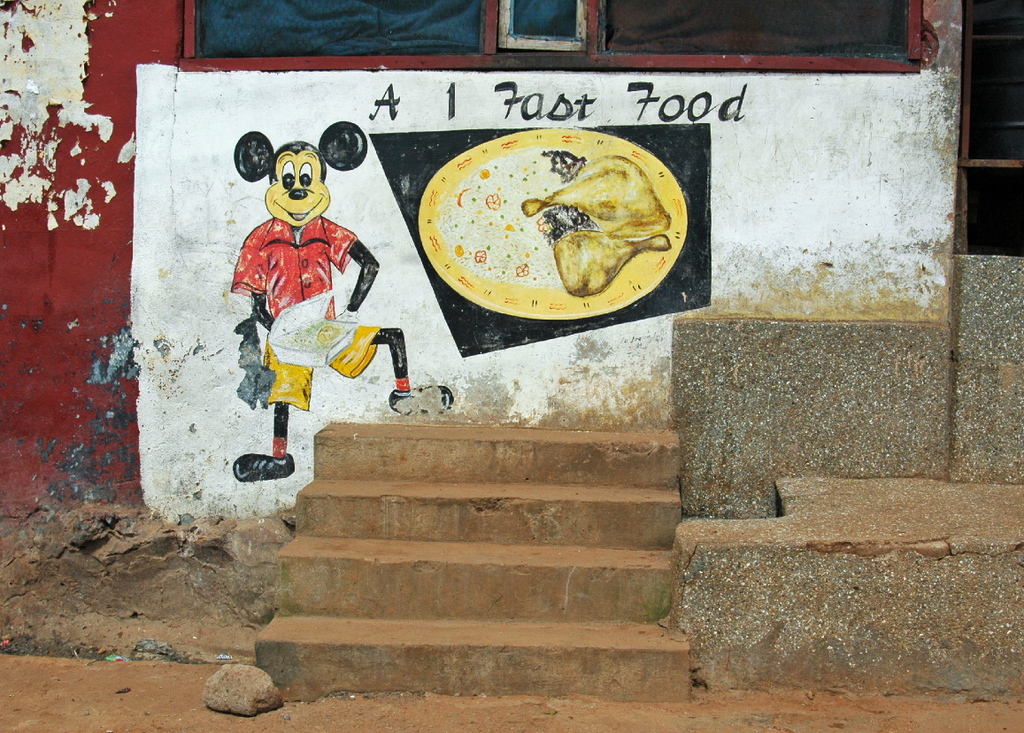
A local "fast food" kiosk. Sometimes the food is quite OK, but it is very local. © Remo Kurka, Aburi
1. They come with fantasy, not reality
Many returnees arrive believing
- Ghana is paradise
- Ghana is cheap
- Ghana is easy
- Ghana is stress-free
- Ghana is "home" in a magical way
Where the illusion comes from
- influencers
- diaspora events and "homecoming" campaigns
- glossy documentaries
- nostalgia
- family stories, often from decades ago
- selective memories of happy holidays
Reality hits hard
- heat
- noise
- bureaucracy
- high prices
- loneliness
- culture shock
- slow systems
We took the fantasy apart in The Biggest Lies Influencers Tell About Ghana.
Success begins with realistic expectations.
2. They expect Ghana to feel like "home" immediately
This is one of the most painful truths, and almost nobody talks about it before they come.
Returnees expect
- instant belonging
- instant community
- instant comfort
- instant identity
But Ghana may feel
- familiar and foreign at the same time
- warm, but confusing
- welcoming, but overwhelming
- culturally close, but emotionally distant
You are not a tourist, but you are not fully local either. People call you "obroni" or "burger", or simply notice that you walk, talk and pay like someone from somewhere else. Your relatives love you, and also expect things from you that you did not know about. Back in Europe or America you were "the African". Here you may be "the foreigner".
This in-between identity breaks many returnees emotionally. We wrote a whole piece on it: The Emotional Reality of Returning Home.
Give yourself time. Belonging grows slowly.
3. They underestimate the cost of living
This destroys more dreams than anything else.
Returnees expect
- cheap rent
- cheap food
- cheap transport
- a cheap lifestyle
Reality
- rent is high, and demanded a year or two in advance
- imported food is expensive
- electricity is expensive, especially with AC
- internet is expensive
- water shortages cost money
- transport adds up
- medical care is costly
The full breakdown, with 2026 electricity tariffs, is in The Hidden Costs of Living in Ghana.
If you don't budget properly, Ghana will drain your savings fast.
4. They trust too quickly
This is a major reason returnees fail.
They trust
- agents
- "friends of friends"
- business partners
- romantic partners
- land sellers
- contractors
- middlemen
And they get
- overcharged
- scammed
- manipulated
- disappointed
- financially drained
The classic story goes like this. Money is sent from abroad to a relative or "trusted friend" to build a house. Photos of foundations and blocks arrive every month. When the returnee lands, there is half a building, or none at all. The land itself may belong to someone else. Read Buying Property in Ghana: What Diaspora Buyers Are Not Told and our checklist for identifying Ghana-based scams.
Ghana has wonderful people, but trust must be earned slowly. Never rush decisions. Never pay everything up front. Never assume good intentions until they have been proven, again and again.
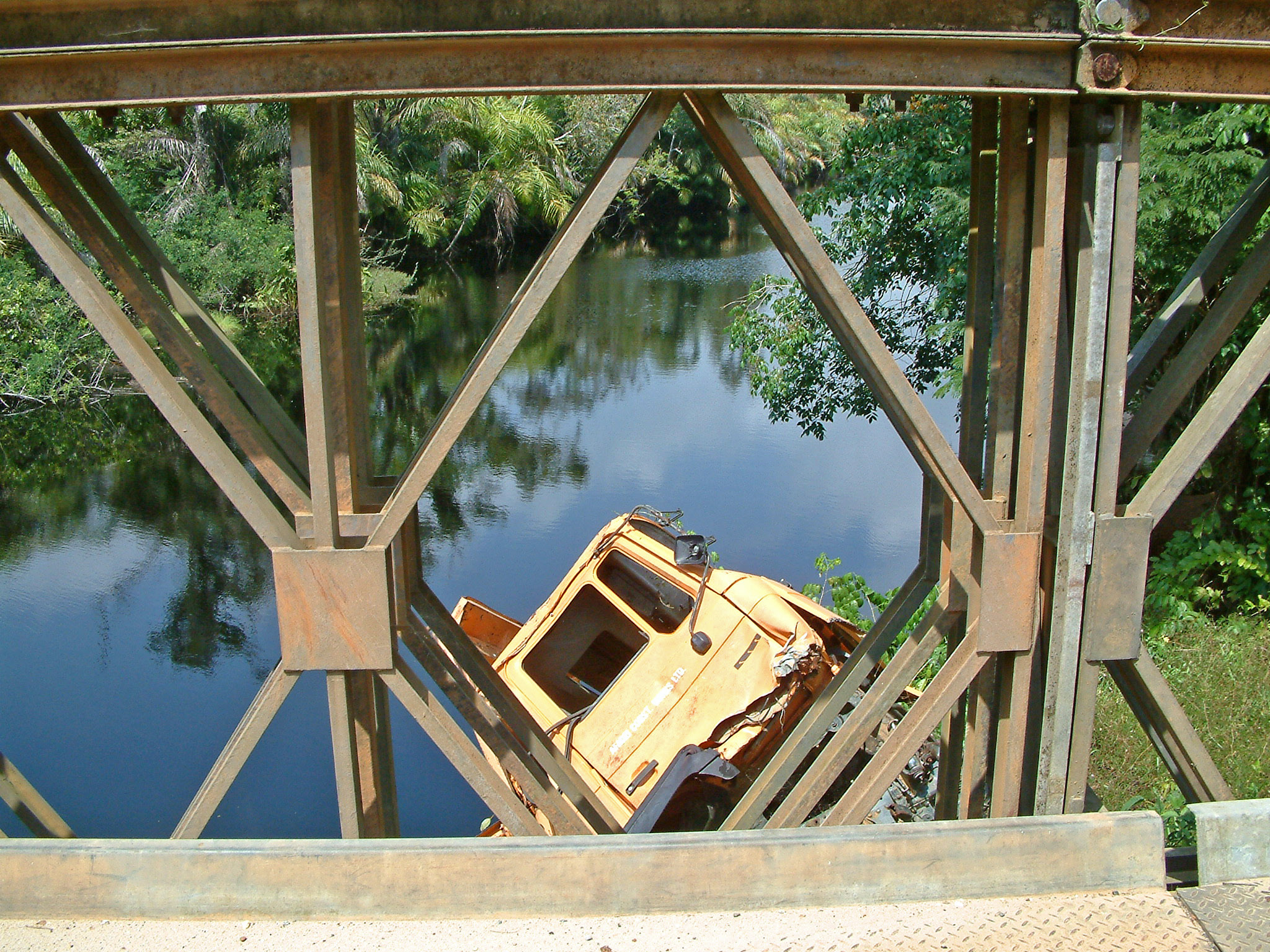
A driver missed the bridge, and the truck ended up in the river. One of many serious road accidents across Ghana, especially between Accra and Kumasi and in the Central Region. © Remo Kurka, Western Region
5. They move to Accra without understanding Accra
Accra is expensive, crowded, competitive, stressful and unpredictable.
Returnees often choose East Legon, Cantonments, Airport Residential or Labone, because that is where the influencers film. But these neighbourhoods are priced for diplomats, NGOs, wealthy diaspora and politicians.
Getting around is part of the cost too, in money, in time and in risk. Ghana's roads are among the most dangerous things about life here, and the Accra–Kumasi highway is notorious. Before you plan a life built on long daily drives, read Ghana Road Deaths: Eleven Billion Cedis Idle.
If you don't have a strong income, Accra will break you financially. Explore other places: Tema and Ashaiman, Ho, Cape Coast, Koforidua or Takoradi–Sekondi.
Ghana is bigger than Accra.
6. They start businesses without understanding the system
"I'll open a café, a bar, a shop, a guesthouse…"
What they don't understand yet
- permits
- taxes
- corruption
- delays
- unreliable suppliers
- staff issues
- electricity problems
- water shortages
- import costs
- competition
Many of these businesses fail within a year. The ones that survive usually started small, often as a side project while the owner still had income from abroad, and grew only once the founder understood the market.
Start small. Learn the system. Build slowly.
7. They ignore cultural differences
Ghana is not one culture. It is dozens.
Returnees often misunderstand
- communication styles: what "yes" means, and what is left unsaid
- rules of respect, for elders, chiefs and titles
- family structures, matrilineal and patrilineal
- marriage customs
- expectations
- obligations, above all at funerals
- social codes
This leads to
- conflicts
- misunderstandings
- broken relationships
- failed partnerships
Start with People of Ghana and A Few Words Go a Long Way: The Languages You Will Hear in Ghana.
Learn the culture, not just the language.
8. They don't have a support system
Many returnees arrive alone, and they underestimate:
- loneliness
- isolation
- emotional stress
- the lack of guidance
- the lack of trusted people
A support network is essential
- trusted locals
- diaspora groups
- expat communities
- family, if the relationship is healthy
- mentors
- business contacts
Nobody succeeds in Ghana alone.
9. They don't have a backup plan
This is a silent killer.
Returnees often
- sell everything
- move permanently, straight away
- invest all their savings
- cut ties with Europe or the US
- assume everything will work out
But Ghana is unpredictable.
You need
- savings
- emergency funds
- a return option
- realistic timelines
- a plan B
- a plan C
Our real checklist for moving to Ghana covers the paperwork, money and health side step by step.
Hope is not a strategy. Preparation is.
10. They give up too fast, or stay too long
Some returnees panic and leave after two months. They never give Ghana a real chance, and the first rainy season, the first power cut and the first broken promise become the whole story.
Others stay too long. They burn through all their money and refuse to admit it is not working, because going back feels like failure in front of everyone who said "don't go".
Both extremes are dangerous. A simple rule helps: set yourself honest checkpoints at six months, one year and two years. Write down what has to be true at each point, in money, health, work and relationships. If the answers keep getting worse, change the plan before the plan changes you.
Stay long enough to learn. Leave before you destroy yourself. Balance is everything.
How to avoid failure: the real formula
To succeed in Ghana, you need:
- realistic expectations
- patience
- savings
- cultural understanding
- emotional resilience
- a support network
- slow decision-making
- humility
- adaptability
- a backup plan
If you come prepared, Ghana can change your life. If you come unprepared, Ghana will humble you. The ten mistakes that lead there are in The Biggest Mistakes Returnees Make When Moving to Ghana.
Come and look before you leap. A guided trip shows you more of Ghana than one neighbourhood ever will. These tours are run by local operators. Entrance fees are already included in the tour price. Tips are not included, but they are always welcome.
More from Ghana Without Filters
- The Biggest Mistakes Returnees Make When Moving to Ghana
- The Emotional Reality of Returning Home
- How to Prepare for Moving to Ghana: A Real Checklist
- The Hidden Costs of Living in Ghana
- The Biggest Lies Influencers Tell About Ghana
- Buying Property in Ghana: What Diaspora Buyers Are Not Told
- Ghana Road Deaths: Eleven Billion Cedis Idle
- A Few Words Go a Long Way: The Languages You Will Hear in Ghana
- Who Sold Whom? Ghana's Slave History Without the Marketing
- Ghana Government: Ghana's Digital Identity Is Being Hijacked – Where Are the Authorities?
- The Sad Reality of VisitGhana.com
- Ministry of Tourism: Thank You for Bringing Ghana Travel Back Online
- The Ghana Guide That Sends You to Singapore: How to Spot an AI-Written Travel Book
- Why You Don't Need Another Ghana Travel Book
- Your Next Trip to Ghana: $53.90 for 13 Days – Seriously?
- Why the African Diaspora Should Visit Ghana in 2027: Ghana at 70
On Ghana-Net.com
Sources: The author's own observation of returnees in Ghana over more than two decades. Cost and entry details are linked to the fact-checked posts in this series.
Text and photos © Remo Kurka, Ghana-Net.com · Updated and fact-checked: 5 November 2026