The Emotional Reality of Returning Home
Ghana Without Filters · What the diaspora never talks about, but everyone feels
Returning to Ghana is not just a physical journey. It is an emotional one: deep, complex, beautiful, painful, confusing, healing and sometimes overwhelming.
People talk about visas, flights, housing, jobs and the cost of living. We have written about all of those too. But almost nobody talks about the emotional impact of coming "home" after years, or decades, abroad.
Nobody hands you a checklist for the evening you sit alone on a plastic chair in a compound full of relatives and realise you have nothing to say to them. Nobody warns you about the guilt of hating the traffic in the country you dreamed of for twenty years.
This article is about the part of the journey that happens inside you.
Search our Network. Start here.
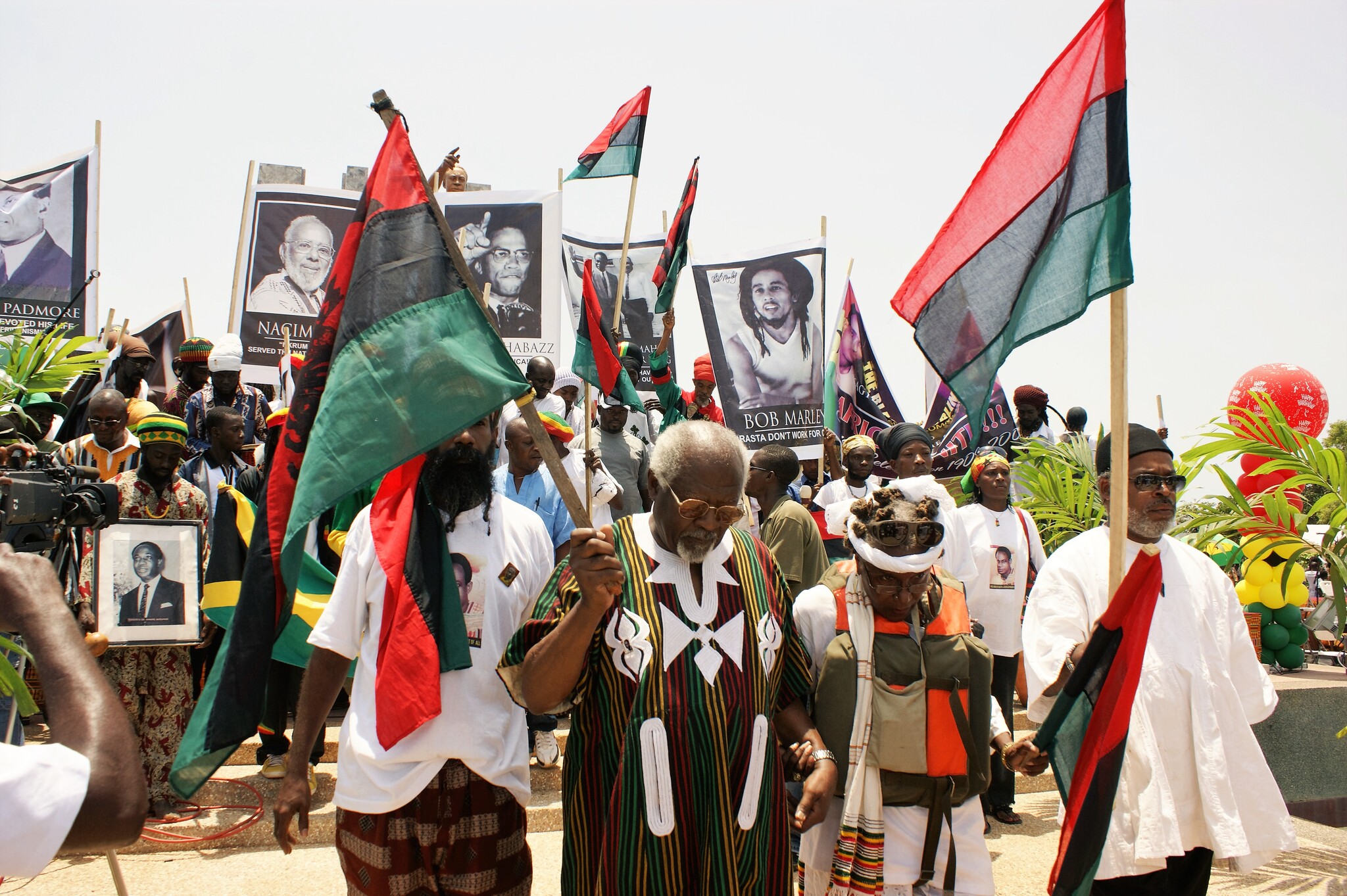
A small group of over-excited and very serious activists at the Kwame Nkrumah centenary, Accra, 2009. © Remo Kurka
1. The shock of realising "home" has changed, and so have you
You expect Ghana to feel familiar. You expect to slip back into life easily. You expect to feel "home" instantly.
Instead, you may feel
- out of place
- disconnected
- confused
- overwhelmed
- foreign in your own country
Because the truth is
- Ghana has changed
- the people have changed
- the culture has evolved
- the pace of life is different
- the expectations are different
The Accra in your memory may have been a city of 1.5 million people. Today Greater Accra is a sprawling region of more than five million, and the neighbourhood you grew up in may have disappeared under a flyover or a shopping mall. The music is different, the slang is different, and your school friends are grandparents.
And you have changed too. You are not the person who left. You are not the person your family remembers. You may no longer feel fully Ghanaian, but you are not fully European or American either.
You exist in between, and that is emotionally heavy.
2. The pain of feeling like a stranger among your own people
This is one of the hardest parts. You may hear:
- "You're not really from here anymore."
- "You're just on vacation."
- "You talk like a foreigner."
- "You don't understand how things work."
- "You think you're better than us."
Even when it isn't meant badly, it hurts. You want to belong. You want to reconnect. You want to be accepted.
But sometimes you feel like
- an outsider
- a visitor
- a guest
- a foreigner in your own culture
Losing your mother tongue makes it worse. If your Twi, Ewe or Ga has faded to a few phrases, every conversation reminds you of the distance. Relearning it is one of the fastest ways back in. Start with A Few Words Go a Long Way: The Languages You Will Hear in Ghana.
This emotional disconnection surprises many returnees, and it breaks some of them.
3. The weight of expectations from family, friends and society
When you return, people expect things from you.
They expect
- money. A lot of it.
- support
- gifts. A lot of them.
- opportunities
- help
- solutions
- success
You become
- the provider
- the problem-solver
- the "rich one"
- the one who "made it abroad"
That is true even if your own life is not easy. Maybe you cleaned offices in London at night or drove for Uber in Houston for fifteen years to save what you have. Nobody here sees that. They see the suitcase, the accent and the foreign phone, and they hear the stories that returnees before you told.
Then come school fees, hospital bills, the cousin's business idea and, above all, funerals, which in Ghana can cost more than weddings. Saying no feels impossible. Saying yes to everything will empty you. The only workable answer is to decide early, before you arrive, what you can give, to whom and how often, and then hold that line kindly but firmly.
This pressure can be overwhelming, emotionally and financially.
4. The loneliness nobody talks about
You can be surrounded by people and still feel completely alone.
The loneliness comes from
- cultural differences
- different values
- different communication styles
- missing your old routines
- missing structure
- missing predictability
- missing your old support system
You may feel
- misunderstood
- isolated
- emotionally exhausted
- mentally drained
This loneliness is real and very common. It is also one of the main reasons people give up and leave. We described how in Why Many Returnees Fail, and How to Avoid It.
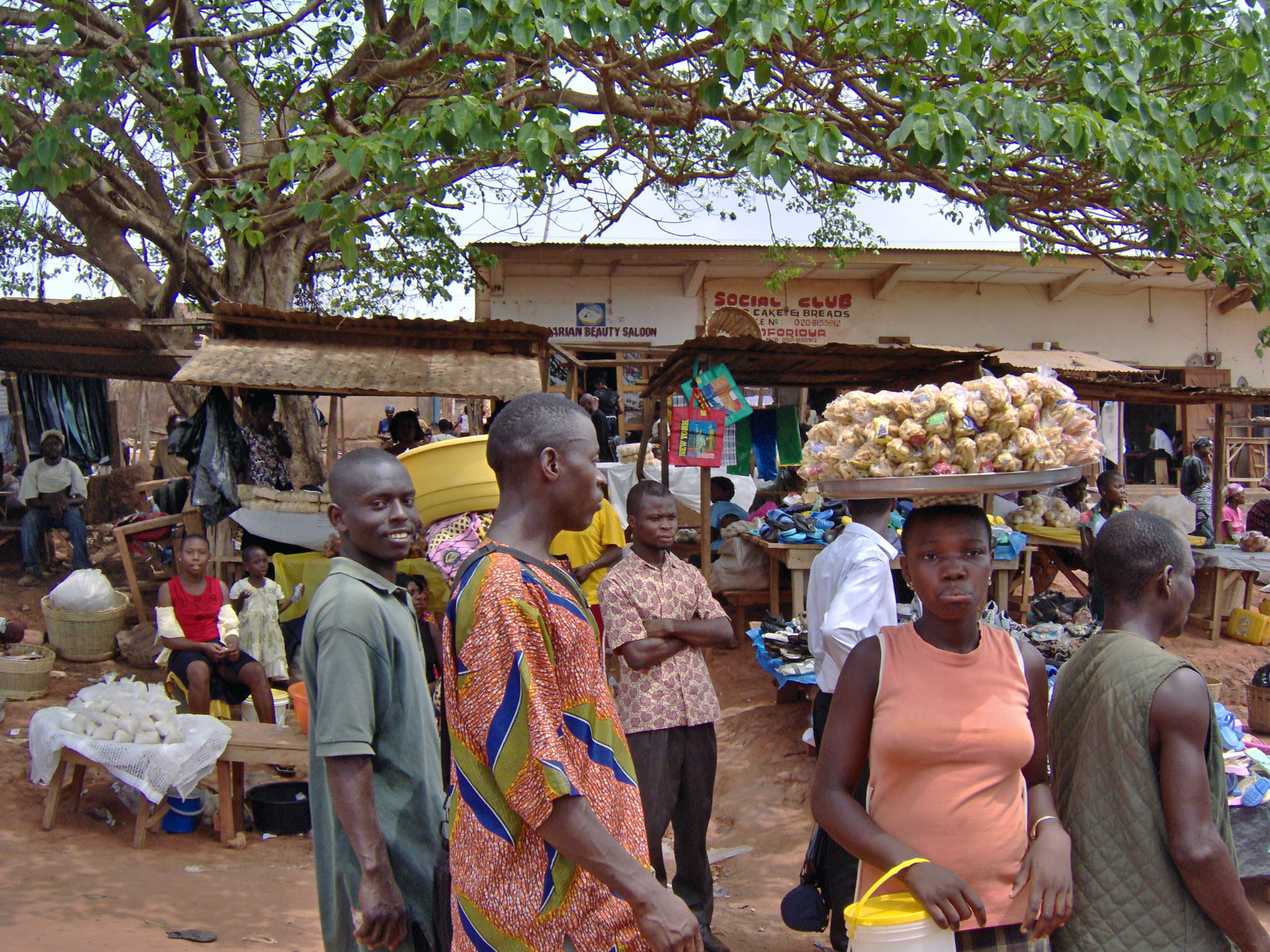
Upper Manya Krobo: vendors and market visitors. © Remo Kurka, Eastern Region
5. The frustration of daily life, and the guilt that follows
You will feel frustrated by
- slow processes
- bureaucracy
- noise
- heat
- traffic
- inefficiency
- unpredictability
And then you feel guilty for feeling frustrated, because you think:
- "I should be grateful."
- "This is my home."
- "Others have it harder."
- "Why am I complaining?"
This emotional conflict is exhausting. Frustration does not make you ungrateful. It makes you honest. You can love a country and still be angry at its power cuts, its potholes and its officials. Many Ghanaians who never left feel exactly the same.
6. The identity crisis: "Who am I now?"
Returning home forces you to confront your identity. You may ask yourself:
- Am I Ghanaian?
- Am I European?
- Am I both?
- Am I neither?
- Where do I belong?
- Who understands me?
For returnees with mixed heritage, or who were born abroad, the questions are sharper still. In London you were "the African". In Accra you may be called "obroni".
This identity crisis is normal, but it can shake you deeply. If it becomes too heavy, talk to someone, whether a friend who has been through it, a returnee group or a counsellor. There is no shame in it.
7. The beauty of reconnection, when it finally happens
And then, slowly, something changes.
You begin to
- understand the rhythm
- accept the pace
- appreciate the culture
- reconnect with people
- rediscover traditions
- feel the warmth
- feel the community
- feel the land
- feel your identity
Often it happens at an unexpected moment: a festival in your family's hometown, an evening with neighbours when the power is out and everyone sits outside, an elder who finally calls you by your day name. Our pages on Ghana's festivals and Ghanaian names by day of birth are good places to begin.
You start to feel
- grounded
- connected
- accepted
- at peace
This moment is powerful. It doesn't happen overnight, but when it comes, it feels like coming home for real.
8. The emotional strength you gain
Returning home teaches you
- patience
- resilience
- humility
- adaptability
- cultural intelligence
- emotional maturity
- self-awareness
It forces you to grow. It forces you to face yourself. It forces you to rebuild your identity.
In the end you become stronger, not because Ghana is easy, but because Ghana is real.
9. The truth: returning home is both beautiful and hard
It is:
- joyful and painful
- exciting and overwhelming
- familiar and foreign
- comforting and confusing
- healing and challenging
It is not a straight line. It is not a simple journey. It is not a fairy tale.
But it is one of the most meaningful experiences you can have.
Final thoughts: you are not alone
If you feel lost, confused, overwhelmed, emotional, frustrated or disconnected, you are not failing. You are going through what every returnee goes through.
Returning home is not just a relocation. It is a transformation, and like all transformations it takes time, patience, honesty and heart.
If you haven't made the move yet, prepare the practical side as carefully as the emotional side. Our real checklist for moving to Ghana covers documents, money, health and housing, and The Biggest Mistakes Returnees Make shows where most people go wrong.
Reconnect with the history and the land. For many returnees the turning point comes at the castles, the heritage sites and in the countryside. These tours are run by local operators. Entrance fees are already included in the tour price. Tips are not included, but they are always welcome.
More from Ghana Without Filters
- Why Many Returnees Fail, and How to Avoid It
- The Biggest Mistakes Returnees Make When Moving to Ghana
- How to Prepare for Moving to Ghana: A Real Checklist
- The Hidden Costs of Living in Ghana
- The Biggest Lies Influencers Tell About Ghana
- Buying Property in Ghana: What Diaspora Buyers Are Not Told
- A Few Words Go a Long Way: The Languages You Will Hear in Ghana
- Who Sold Whom? Ghana's Slave History Without the Marketing
- Why the African Diaspora Should Visit Ghana in 2027: Ghana at 70
- Ghana Road Deaths: Eleven Billion Cedis Idle
- Ghana Government: Ghana's Digital Identity Is Being Hijacked – Where Are the Authorities?
- The Sad Reality of VisitGhana.com
- Ministry of Tourism: Thank You for Bringing Ghana Travel Back Online
- The Ghana Guide That Sends You to Singapore: How to Spot an AI-Written Travel Book
- Why You Don't Need Another Ghana Travel Book
- Your Next Trip to Ghana: $53.90 for 13 Days – Seriously?
On Ghana-Net.com
Sources: The author's own observation of returnees and diaspora families in Ghana over more than two decades.
Text and photos © Remo Kurka, Ghana-Net.com · Updated and fact-checked: 5 November 2026